
Wireless GPS tracking technology has transformed the way people monitor and protect their valuable items. From personal belongings to professional equipment, modern users are increasingly relying on smart tracking solutions to stay organized, secure, and stress free. Choosing the best wireless GPS tracking device depends on understanding how the technology works, what features matter most, and how it fits into everyday life. This article offers a complete beginner friendly guide to help modern users understand and evaluate wireless GPS tracking devices.
Understanding Wireless GPS Tracking Devices
Wireless GPS tracking devices are compact tools that use satellite positioning combined with wireless connectivity to determine the location of an item. These devices do not rely on physical connections, making them flexible and easy to use across different environments.
What Is a Wireless GPS Tracking Device
A wireless GPS tracking device is a small electronic unit designed to track the location of objects, vehicles, or personal belongings. It communicates location data through wireless signals and allows users to access this information through a compatible device, usually a smartphone or computer.
Why Wireless Tracking Is Important Today
Modern lifestyles involve constant movement. People travel frequently, manage multiple items, and work across different locations. Wireless GPS tracking devices help users stay connected to their belongings without the limitations of cables or fixed systems.
How Wireless GPS Tracking Technology Works
Although wireless GPS trackers are simple to use, the technology behind them is highly advanced. Understanding the basics helps users make better decisions.
Role of GPS Satellites
GPS satellites orbit the Earth and send signals to tracking devices. By analyzing these signals, the tracker calculates its exact position. This information is then shared with the user through a connected platform.
Wireless Communication and Data Transfer
Wireless GPS tracking devices use mobile networks or short range wireless signals to transmit location data. This ensures that users can access updates in real time or near real time, depending on the system.
Integration With Smart Devices
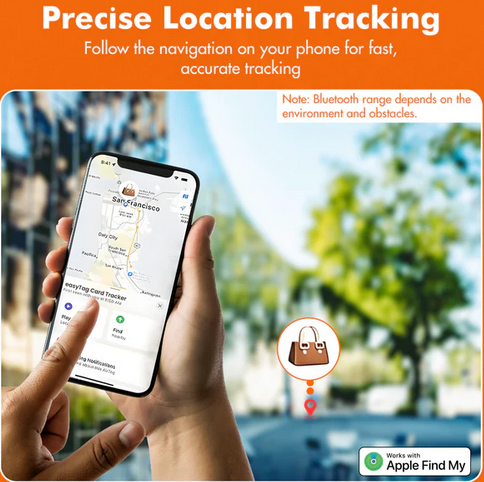
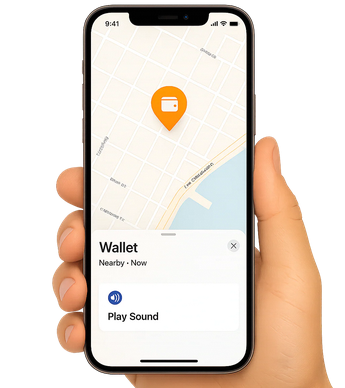
Most wireless GPS trackers work alongside mobile applications. These apps display location information on maps, provide alerts, and allow users to manage multiple devices from one interface.
Key Features of the Best Wireless GPS Tracking Device
Not all tracking devices offer the same capabilities. Modern users should focus on features that enhance usability, reliability, and long term value.
Accurate Location Tracking
Accuracy is one of the most important factors. A high quality wireless GPS tracking device provides precise location data, helping users locate items quickly and confidently.
Reliable Battery Performance
Battery life plays a major role in everyday use. The best devices are designed to conserve energy and operate for extended periods without frequent charging or replacement.
Compact and Durable Design
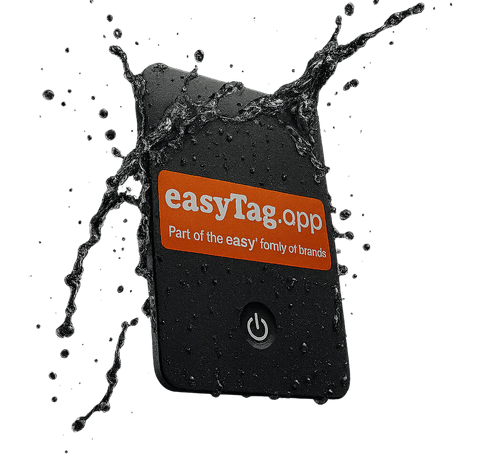
Modern users prefer tracking devices that are small, lightweight, and durable. A compact design allows the tracker to blend seamlessly with personal items, while durability ensures performance in different conditions.
Easy Setup and User Experience
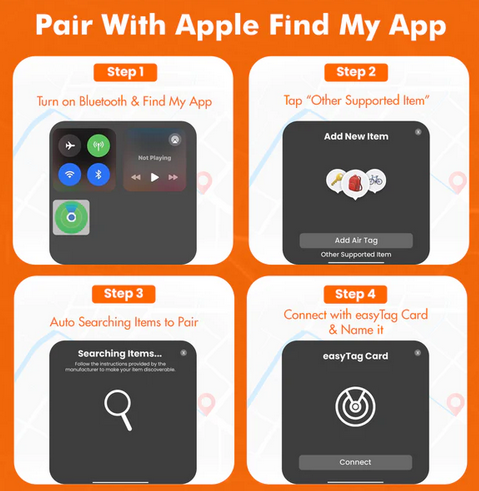
A simple setup process is essential, especially for beginners. The best wireless GPS tracking devices offer intuitive pairing, clear instructions, and easy navigation within the app.
Common Uses of Wireless GPS Tracking Devices
Wireless GPS tracking technology is highly versatile and supports a wide range of everyday and professional needs.
Personal Belonging Protection
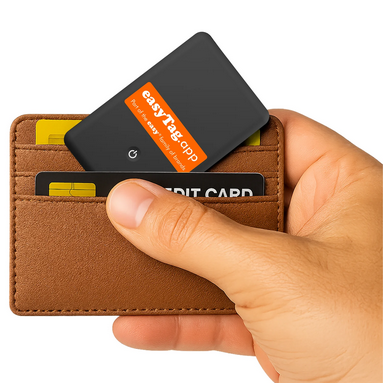
Many users rely on wireless GPS tracking devices to keep track of keys, wallets, bags, and other personal items. This helps reduce the frustration of misplaced belongings.
Travel and Mobility Support
Travelers often use tracking devices for luggage and valuables. Having access to location information provides peace of mind during trips and helps respond quickly if items go missing.
Equipment and Asset Monitoring
In professional settings, wireless GPS trackers are used to monitor tools, equipment, and assets. This improves organization, reduces loss, and enhances operational efficiency.
Family and Shared Use
Some households use tracking devices to manage shared items or assist family members with keeping track of important belongings. This adds convenience and supports daily routines.
Benefits of Using a Wireless GPS Tracking Device
The growing popularity of wireless GPS tracking devices is driven by the tangible benefits they offer to modern users.
Time and Effort Savings
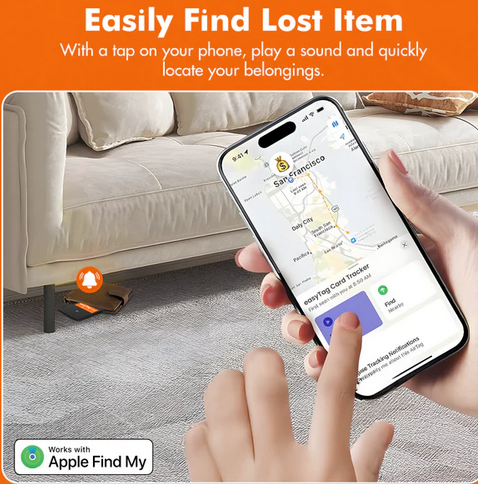
Instead of spending time searching for lost items, users can rely on accurate location data to find them quickly. This saves time and reduces daily stress.
Enhanced Security and Peace of Mind
Knowing that items can be tracked at any time provides a sense of security. Wireless GPS tracking devices help users feel more confident about the safety of their belongings.
Improved Organization
Using tracking technology encourages better organization habits. Users become more aware of where items are placed and how they move throughout the day.
Adaptability to Modern Lifestyles
Wireless GPS tracking devices fit seamlessly into fast paced, technology driven lifestyles. They support mobility, flexibility, and smart living.
Choosing the Best Wireless GPS Tracking Device
Selecting the right device requires careful consideration of individual needs and usage patterns.
Understanding Your Tracking Needs
Before choosing a device, users should consider what they want to track and how often they need location updates. Different use cases require different levels of accuracy and connectivity.
Evaluating App Functionality
The mobile application is a crucial part of the tracking experience. A well designed app enhances usability by offering clear maps, alerts, and customization options.
Considering Long Term Value
The best wireless GPS tracking device offers long term reliability, minimal maintenance, and consistent performance. Users should look for solutions that balance cost with quality.
Privacy and Responsible Use
While wireless GPS tracking devices are highly useful, responsible use is essential to maintain trust and privacy.
Data Security and Control
Most modern tracking systems use secure communication methods to protect location data. Users typically have control over settings and access permissions.
Ethical Usage Practices
Tracking should be limited to personal belongings or items with proper authorization. Responsible use ensures that technology remains helpful and respectful.
The Future of Wireless GPS Tracking
Wireless GPS tracking technology continues to evolve, offering even more benefits to modern users.
Smarter and More Connected Systems
Future developments are expected to improve accuracy, coverage, and integration with smart environments. This will make tracking devices even more intuitive and powerful.
Wider Adoption Across Industries
As technology becomes more accessible, wireless GPS tracking is likely to expand into more industries and everyday applications.
Increased User Accessibility
Ongoing innovation is expected to make tracking devices more affordable and user friendly, encouraging widespread adoption.
Conclusion
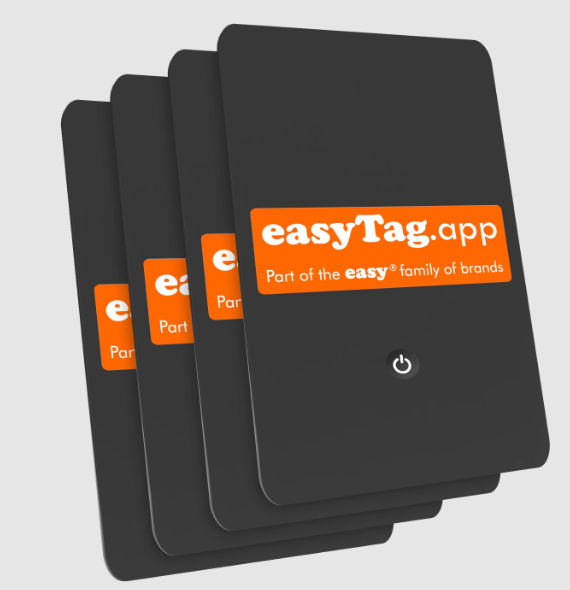
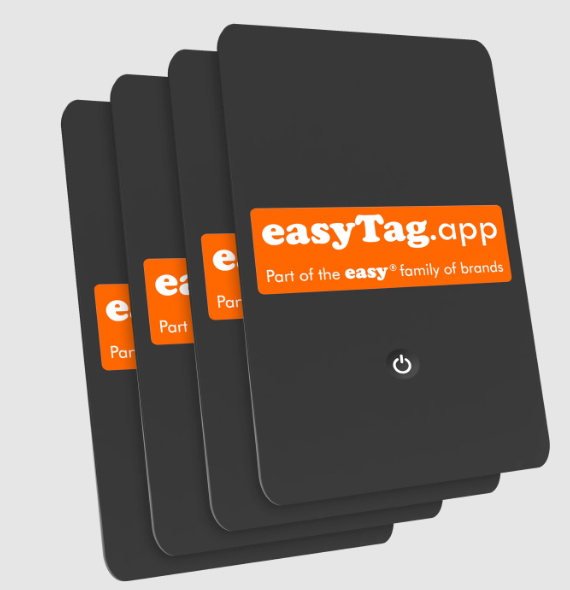
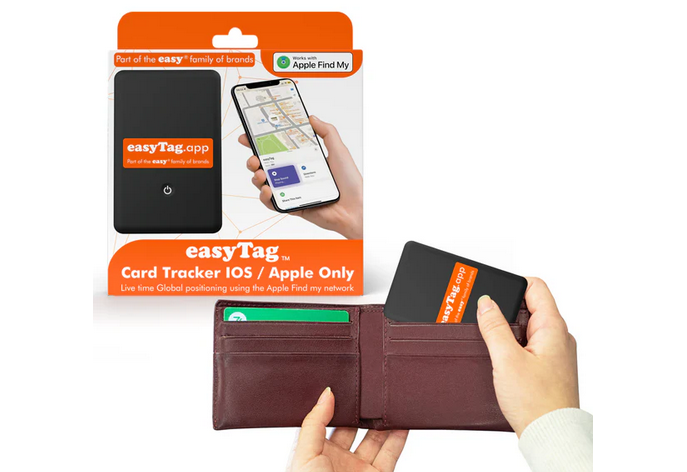
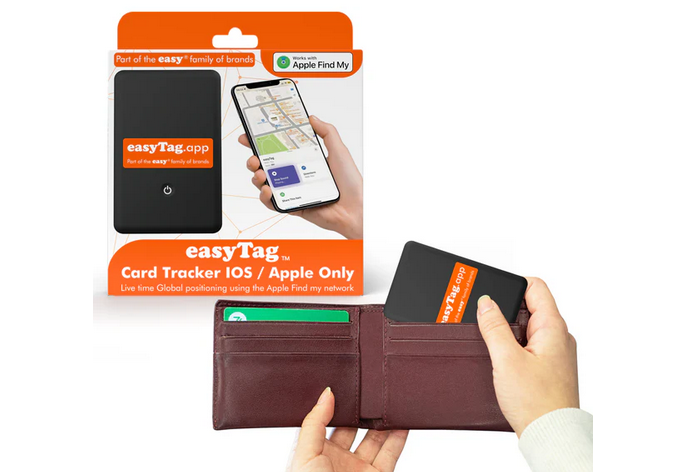
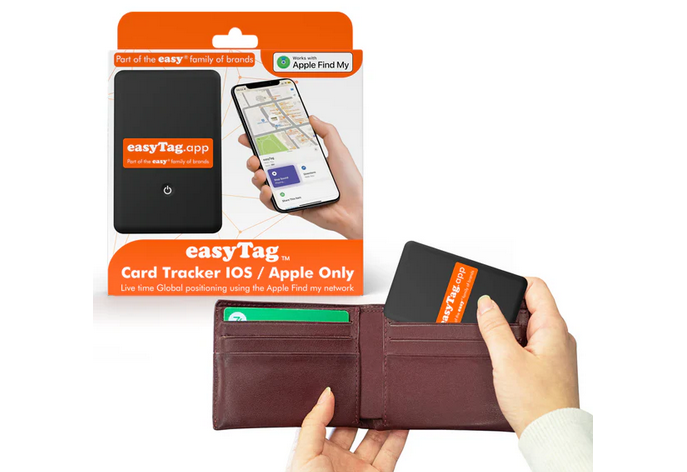
The best wireless GPS tracking device is one that combines accuracy, reliability, ease of use, and adaptability to modern lifestyles. As tracking technology becomes an essential part of daily life, users benefit from improved organization, enhanced security, and greater peace of mind. For those seeking dependable and user focused tracking solutions, easyTag provides a trusted approach to modern wireless GPS tracking.


Write a comment ...