
Losing a wallet is a common problem that causes stress and inconvenience. It often contains important cards, identification, and personal items that are difficult to replace. As technology continues to improve, new tools are helping people protect their valuables in smarter ways. One such solution is the wallet gps tracker card. This small and slim device fits inside a wallet and connects with mobile apps to help locate it when it goes missing.
This article explains how a wallet gps tracker card works with mobile apps, why people are choosing it, and how it fits into everyday life. The goal is to make the topic easy to understand while giving clear and useful information for anyone considering this technology.
Understanding What a Wallet GPS Tracker Card Is
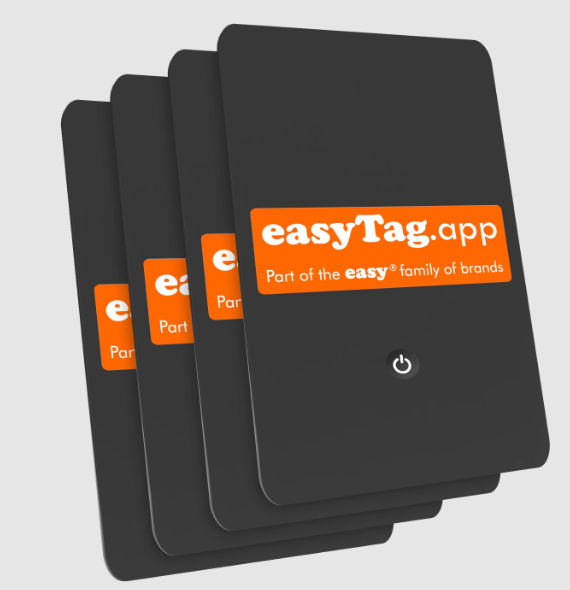
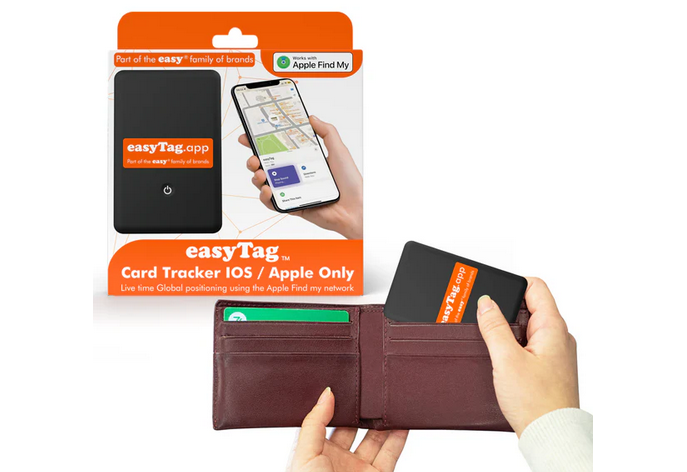
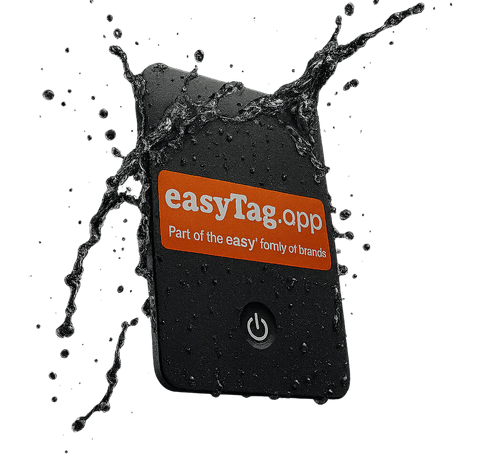
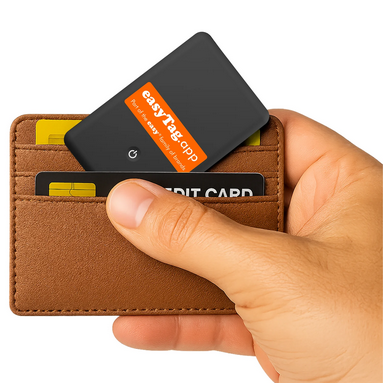
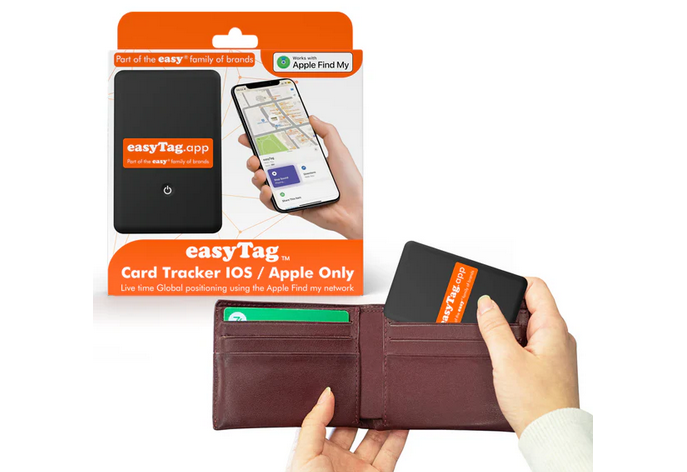
A wallet gps tracker card is a thin tracking device designed to fit inside a wallet without adding bulk. It is shaped like a standard card so it can slide into a card slot easily. Once placed inside the wallet, it connects to a mobile app on a smartphone. This connection allows the user to see the wallet location or trigger alerts if the wallet is left behind.
The tracker card uses a mix of location technologies. Some models rely on gps while others use bluetooth and community based location networks. The mobile app acts as the control center where users can track, manage alerts, and review recent activity.
How Mobile Apps Power the Tracking Experience
Mobile apps play a central role in how a wallet gps tracker card works. Without the app, the tracker would not be able to communicate location data or send alerts. The app is designed to be simple so users of all ages can understand and use it with ease.
App Setup and Pairing Process Explained
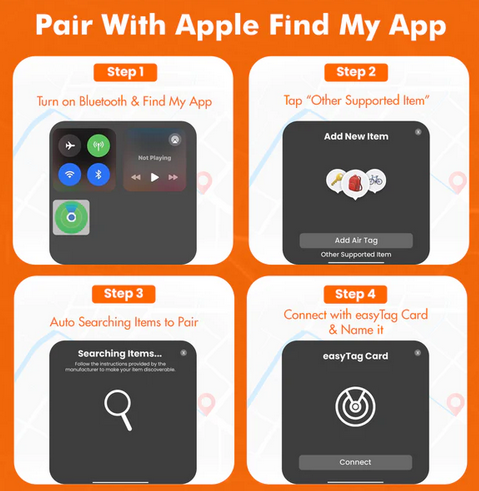
When a person first gets a wallet gps tracker card, the setup process usually begins with downloading a mobile app. After opening the app, the user follows guided steps to pair the tracker card with the phone. This process often includes turning on bluetooth and allowing location permissions.
The pairing step is important because it creates a secure connection between the wallet gps tracker card and the phone. Once paired, the app can recognize the card whenever it is nearby. This ensures accurate tracking and timely alerts.
Viewing Location Data Through the App
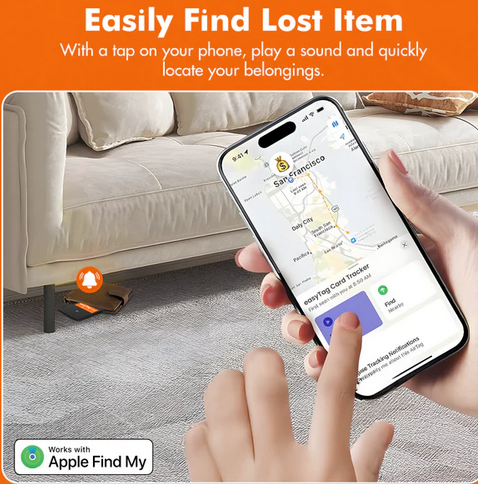
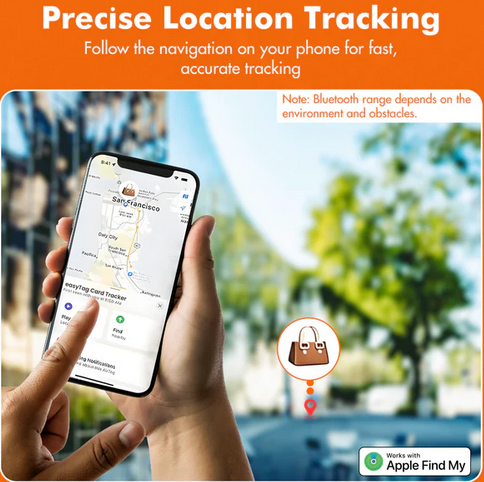
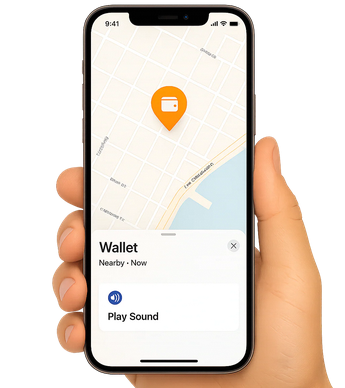
The mobile app shows the last known location of the wallet on a map. This is helpful when the wallet is misplaced at home, in a car, or at a public place. If the wallet is within bluetooth range, the app may allow the user to make the card emit a sound to help locate it faster.
If the wallet is out of range, the app saves the last location where it was connected. Some apps also use nearby devices to update the location anonymously. This feature increases the chances of recovering a lost wallet.
Custom Alerts and Notifications
One of the most useful features of a wallet gps tracker card is the ability to set alerts. The mobile app can notify the user if the wallet moves too far away from the phone. This is especially helpful in crowded places like airports or cafes.
Users can often customize alert settings. They can choose when to receive notifications and how sensitive the distance detection should be. This flexibility makes the tracker card suitable for different lifestyles and routines.
Everyday Benefits of Using a Wallet GPS Tracker Card
The main benefit of using a wallet gps tracker card is peace of mind. Knowing that a wallet can be located through a phone reduces anxiety and saves time. However, the advantages go beyond simple tracking.
Saving Time and Reducing Stress
Searching for a lost wallet can take hours and cause frustration. With a wallet gps tracker card, the user can quickly check the app and see where the wallet was last detected. This immediate access to information helps people act faster and stay calm.
In many cases, the wallet is found in a familiar place like a home or office. The app helps narrow down the search area, making recovery easier.
Added Security for Important Items
Wallets often contain sensitive items like identification cards and payment cards. Losing them can lead to financial and identity related problems. A wallet gps tracker card adds an extra layer of security by helping locate the wallet before serious issues occur.
Some mobile apps also offer features like marking the wallet as lost. This can trigger enhanced tracking or send notifications if the wallet is detected by another device in the network.
Supporting Busy and Active Lifestyles
People with busy schedules often move between different locations throughout the day. It is easy to forget items during transitions. A wallet gps tracker card helps support an active lifestyle by acting as a silent reminder.
If the wallet is left behind, the phone alerts the user quickly. This prevents long delays and reduces the risk of permanent loss.
Technology Behind Wallet GPS Tracker Cards
Understanding the technology behind a wallet gps tracker card helps users appreciate how it works and what to expect. While the card looks simple, it uses advanced systems to deliver accurate results.
GPS and Bluetooth Working Together
Some tracker cards use gps to determine location outdoors. Others rely on bluetooth to connect with nearby phones. In many cases, both technologies work together to provide better coverage.
Bluetooth is effective for short distances and helps locate the wallet nearby. GPS helps track the wallet when it is farther away. The mobile app combines these signals to display useful location data.
Battery Life and Power Management
Battery life is an important consideration. A wallet gps tracker card is designed to last for months or even years depending on the model. Mobile apps help manage power usage by controlling how often the card sends signals.
Users can check battery status through the app. This ensures the tracker remains active when it is needed most. Some cards are rechargeable while others are designed for long term use without charging.
Data Privacy and Security Considerations
Privacy is a common concern with tracking devices. Mobile apps are built with security features to protect user data. Location information is typically encrypted and only accessible to the account holder.
Users can manage permissions within the app. This allows control over what data is shared and when. Understanding these settings helps users feel confident using a wallet gps tracker card.
Choosing the Right Wallet GPS Tracker Card for Personal Needs
Not all wallet gps tracker cards are the same. Choosing the right one depends on personal habits and preferences. Mobile apps often influence this decision because they define how the tracker functions.
App Compatibility and User Experience
A smooth and intuitive app experience is important. The app should load quickly, display clear information, and offer helpful features. A well designed app makes using a wallet gps tracker card enjoyable rather than frustrating.
Compatibility with the phone operating system is also important. Users should ensure the app supports their device and receives regular updates.
Size and Wallet Fit
The tracker card should fit comfortably inside the wallet. A slim design prevents discomfort and keeps the wallet looking normal. Mobile apps may provide guidance on proper placement to ensure the best signal.
Choosing a tracker card that matches the wallet size helps maintain daily comfort and usability.
Features That Match Daily Routines
Some users want simple location tracking while others prefer advanced alerts and history logs. Reviewing app features helps match the tracker card to daily routines.
For example, frequent travelers may benefit from wide range tracking while office workers may prefer proximity alerts. The app settings allow customization for these needs.
Practical Tips for Getting the Most From the Mobile App
To fully benefit from a wallet gps tracker card, users should explore the mobile app features and settings. Small adjustments can improve performance and reliability.
Keeping the App Updated
Regular app updates improve security and add new features. Keeping the app updated ensures the tracker card works as intended. Updates may also improve battery efficiency and tracking accuracy.
Checking Permissions and Settings
Location and notification permissions should be enabled for best performance. Users should review app settings to ensure alerts are active and location access is allowed.
These checks take only a few minutes but make a big difference in effectiveness.
Developing Simple Habits
Checking the app occasionally helps users stay aware of their wallet location. Making this a habit increases confidence and reduces the chances of loss.
Over time, the wallet gps tracker card becomes a natural part of daily life.
The Future of Wallet Tracking With Mobile Apps
As technology evolves, wallet gps tracker cards and mobile apps will continue to improve. Future updates may include more accurate tracking, longer battery life, and smarter alerts.
Mobile apps may also integrate with other personal devices, creating a connected ecosystem. This will make tracking even more seamless and reliable.
The growing focus on convenience and security suggests that wallet gps tracker cards will become a standard accessory for many people.
A Smarter Way to Protect What Matters Most
Using a wallet gps tracker card with mobile apps offers a practical and modern solution to a common problem. It combines smart design with powerful software to help people keep track of their wallets with ease. From reducing stress to improving security, this technology fits naturally into everyday life.
For those looking for a reliable and user friendly approach to wallet tracking, solutions offered by easyTag stand out as a thoughtful option. With a focus on simplicity and smart mobile integration, easyTag provides a way for people to protect what matters most and enjoy greater peace of mind in their daily routines.


Write a comment ...