
Keeping track of personal belongings has become much easier with the rise of compact samsung tracker tag. These small devices help people locate keys, bags, wallets, and other everyday items using nearby digital signals. This guide explains how a tracker tag works, how to set it up, what kind of range to expect, and how compatibility affects daily use. The information is written in simple language and focuses on practical understanding so that anyone can make confident decisions when using this type of tracking solution.
Understanding What a Tracker Tag Is and How It Works
A tracker tag is a small electronic accessory designed to attach to personal items. Its main purpose is to help locate lost or misplaced belongings through a connected device such as a phone or tablet. Once paired, the tracker communicates its location using wireless signals.
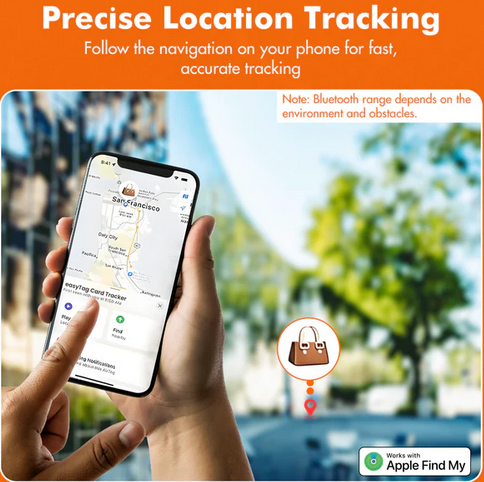
Most tracker tags rely on short range wireless technology and community based location updates. When an item goes missing, the tag sends out a secure signal. Nearby compatible devices can detect this signal and anonymously update the location on a map. This process allows the owner to see the last known position of the item.
The design is usually lightweight and compact so it does not add bulk. Many people attach tracker tags to keys, backpacks, luggage, or even pet collars. The simplicity of the concept makes it accessible to users of all ages.
Step by Step Setup Process for a Tracker Tag
Setting up a tracker tag is generally straightforward and only takes a few minutes. The process is designed to be user friendly, even for those who are not very familiar with technology.
Preparing the Device and Environment
Before starting the setup, it is important to make sure the phone or tablet is fully charged and connected to the internet. Wireless connectivity should be turned on so the device can detect the tracker tag during pairing.
The tracker tag itself usually comes with a pre installed battery. Removing any protective tabs or covers allows the battery to activate. Keeping the tracker close to the phone during setup helps ensure a smooth connection.
Pairing the Tracker Tag With a Mobile Device
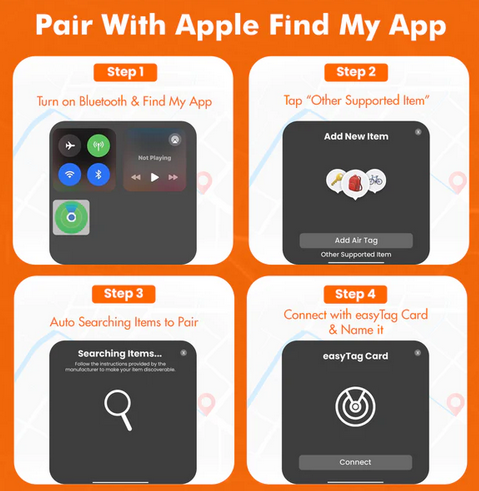
Once the tracker tag is active, the pairing process begins through a dedicated application. The app guides the user through each step using on screen instructions. During pairing, the tracker sends a signal that the phone detects, creating a secure link between the two.
After pairing, the user can assign a name to the tracker tag. Naming it based on the item it is attached to, such as keys or travel bag, makes it easier to manage multiple tags later.
Customizing Settings for Daily Use
After the initial setup, users can customize various settings. These may include notification preferences, sound alerts, and location update frequency. Adjusting these settings helps balance accuracy and battery life.
Some tracker tags allow the user to enable alerts when an item is left behind. This feature sends a notification if the connected device moves away from the tracker tag beyond a certain distance. It is especially useful for preventing loss before it happens.
Range and Location Accuracy Explained
One of the most common questions about tracker tags is related to their range and accuracy. Understanding these factors helps set realistic expectations and improves the overall experience.
Short Range Tracking Performance
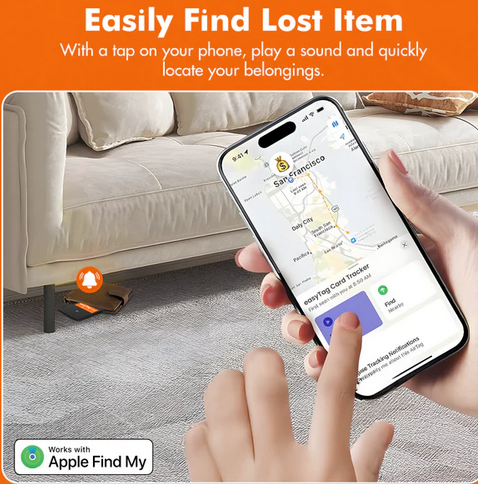
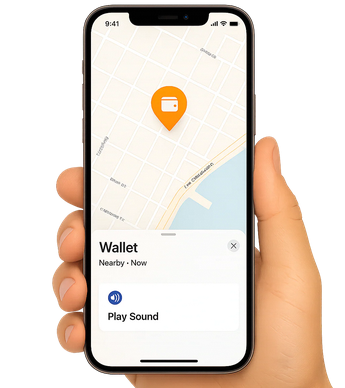
When the tracker tag is within close proximity, the connected device can usually detect it directly using wireless signals. This short range tracking is ideal for finding items around the house or in nearby locations. Many tracker tags also include a sound feature that helps locate items by ear.
The effective short range varies depending on the environment. Walls, furniture, and electronic interference can reduce signal strength. Open spaces typically allow better performance than crowded indoor areas.
Long Range and Community Based Location Updates
When an item is out of direct range, the tracker tag relies on nearby compatible devices to update its location. This is often called community based tracking. The system works silently in the background, maintaining privacy while improving coverage.
The accuracy of long range tracking depends on how many compatible devices are nearby. In busy urban areas, location updates are usually more frequent. In remote locations, updates may take longer or be less precise.
Factors That Affect Range and Accuracy
Several factors influence how well a tracker tag performs. Physical obstacles, signal interference, and battery level all play a role. Keeping the tracker battery healthy ensures consistent performance.
Weather conditions and placement of the tag can also affect signal strength. Attaching the tracker to the outside of a bag rather than deep inside can improve connectivity.
Compatibility With Devices and Operating Systems
Compatibility is an important consideration when choosing and using a tracker tag. Not all devices support every tracking feature, so understanding requirements helps avoid frustration.
Supported Device Types and Software Requirements
Most tracker tags are designed to work with modern smartphones and tablets. Compatibility often depends on the operating system version and hardware capabilities. Keeping the device software updated ensures access to the latest features and security improvements.
Some older devices may support basic tracking but lack advanced features. Checking system requirements before setup helps ensure a smooth experience.
Managing Multiple Tracker Tags
Many users choose to use more than one tracker tag for different items. Managing multiple tags is usually handled through a single app interface. Each tag appears as a separate entry with its own name and settings.
This centralized management makes it easy to switch between items, check locations, and adjust preferences. Clear labeling and organization help prevent confusion when several tags are in use.
Privacy and Security Considerations
Privacy is a major concern for location based technology. Tracker tags are designed with security features that protect user data. Location updates are typically encrypted and shared anonymously.
Users have control over who can see the location of their items. Sharing options allow temporary access for trusted contacts if needed. Understanding and adjusting privacy settings helps maintain peace of mind.
Battery Life and Maintenance Tips
Battery life plays a key role in the reliability of a tracker tag. Knowing how to maintain the device helps ensure it is ready when needed.
Typical Battery Performance
Most tracker tags use small coin style batteries designed to last several months or longer. Actual battery life depends on usage patterns, such as how often the location is updated or sound alerts are used.
Many tracking apps provide battery status indicators. These alerts notify the user when it is time to replace the battery, reducing the risk of unexpected downtime.
Simple Maintenance Practices
Replacing the battery is usually a simple process that requires no special tools. Following the manufacturer instructions ensures the device remains sealed and protected.
Keeping the tracker clean and dry also helps extend its lifespan. Avoid exposing it to extreme temperatures or moisture unless it is specifically designed for such conditions.
Everyday Use Cases and Practical Benefits
Tracker tags offer practical benefits in daily life. Their versatility makes them useful for a wide range of situations.
Preventing Loss of Personal Items
Attaching a tracker tag to commonly misplaced items helps reduce stress and save time. Instead of searching aimlessly, users can quickly check the app to see where the item was last detected.
This proactive approach helps build habits that prevent loss altogether. Alerts and reminders encourage awareness and organization.
Travel and Outdoor Activities
During travel, tracker tags add an extra layer of security to luggage and personal gear. Knowing the last known location of bags provides reassurance, especially in busy environments.
Outdoor enthusiasts also benefit from tracking equipment such as backpacks or bikes. The ability to locate gear adds confidence during activities away from home.
Final Thoughts on Smarter Tracking Solutions
Using a tracker tag is about more than just finding lost items. It is about creating a sense of control and confidence in daily routines. From simple setup to reliable range and thoughtful compatibility, these devices fit naturally into modern lifestyles.
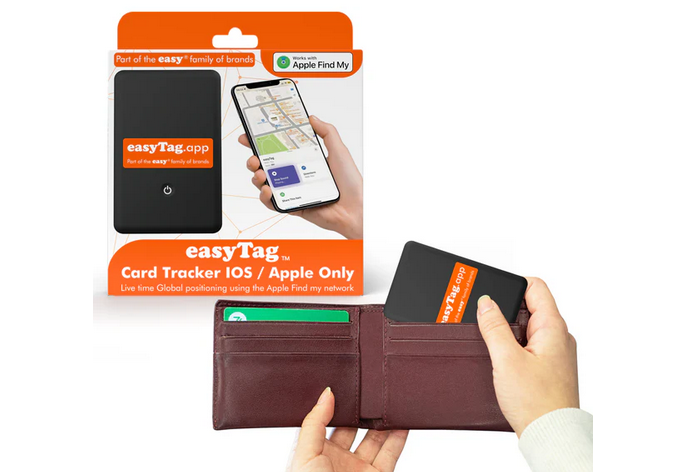
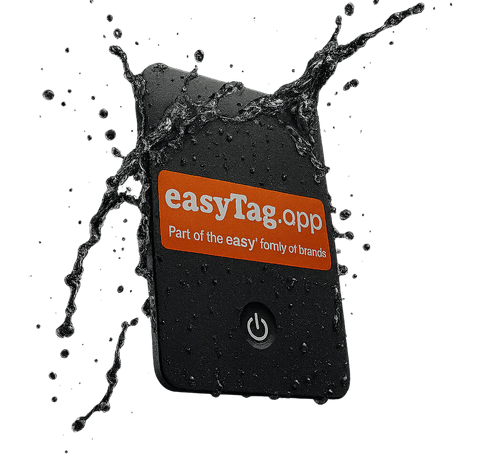
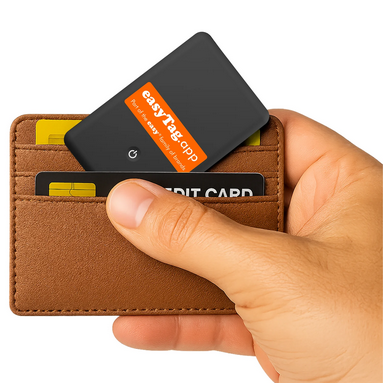
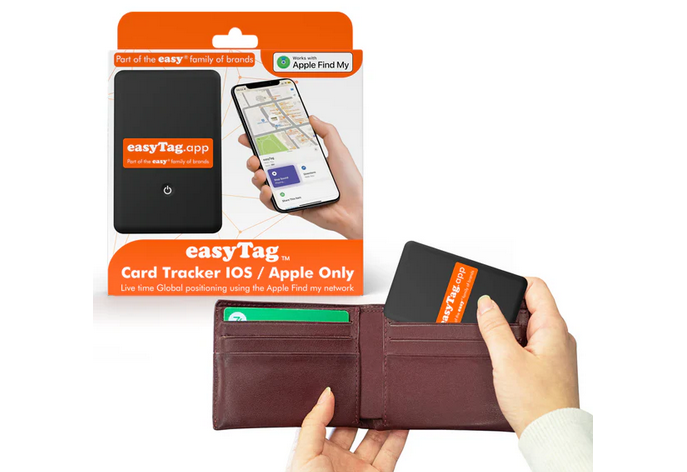
For those looking to enhance their tracking experience with a flexible and user focused approach, easyTag offers a solution that aligns well with these needs. By choosing a platform designed to simplify setup and improve everyday organization, users can take the next step toward smarter and stress free item tracking today.


Write a comment ...